Health insurance
Government withholds millions from health insurance funds missing performance targets
In 2025, the Belgian government withheld nearly €15 million from the administrative allowances paid to health insurance ...
2 min

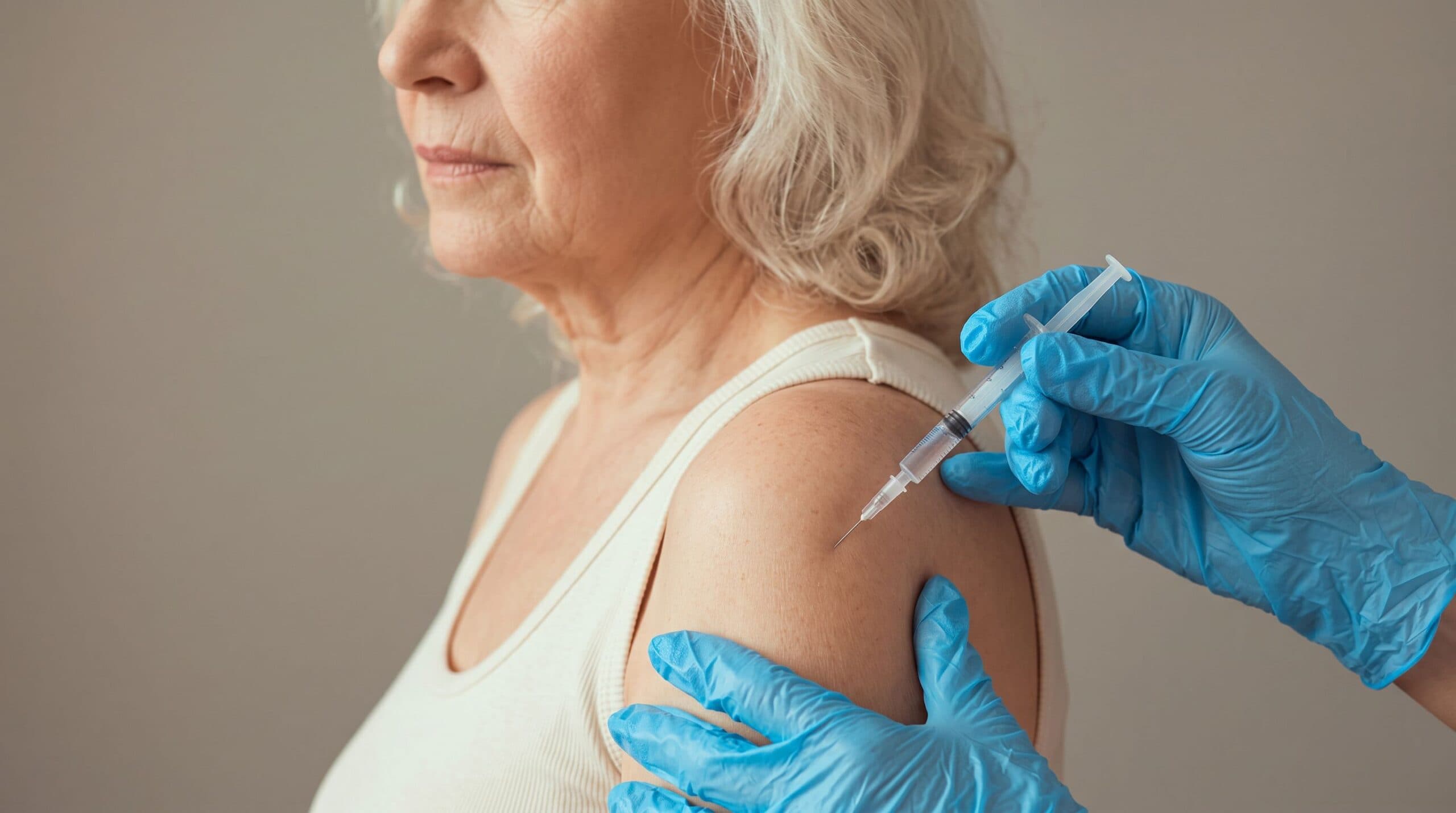
Vaccination is one of the most effective ways to prevent disease. Yet vaccination coverage among adults in Belgium remains significantly lower than among children and young people. According to a 2024 analysis by the Office of Health Economics (OHE), every euro invested in vaccination can generate up to 19 euros in benefits for society. Vaccination is not only an investment in health; it also makes economic sense.
For children, vaccination is firmly embedded in the healthcare system. There are clear vaccination schedules, regular vaccination appointments and organised follow-up through Kind & Gezin, the Centres for Pupil Guidance (CLB), and others. For adults, the situation is quite different.
Adult vaccination often depends on an individual’s risk, advice from a healthcare professional, their socio-economic circumstances and, ultimately, the initiative of the adult themselves. Adults also have fewer ‘natural vaccination moments’. Knowing which vaccine is recommended and when is not necessarily straightforward.
The figures confirm this. According to data from the ‘Onafhankelijke Ziekenfondsen’, in 2024 only 58.5% of adults in at-risk groups in Flanders were vaccinated against influenza, and just 14% against pneumococcal disease. In addition to these low rates, there are also significant regional differences.
In Wallonia, only 44.7% of people aged 65 and over were vaccinated against influenza during the same period, while in Brussels the figure was just 43.3%. The World Health Organization (WHO) has set a target vaccination coverage rate of 75% for at-risk groups such as people aged 65 and over.
According to an analysis by the Onafhankelijke Ziekenfondsen published in September 2026, fragmentation of Belgium’s healthcare policy, alongside healthcare professionals’ advice, socio-economic circumstances and individual initiative, plays an important role in explaining why adult vaccination coverage is lagging behind.
Vaccination schedules and registration systems differ between regions. In French-speaking Belgium, for example, several systems are used to register vaccinations for children and adults. These systems are often not yet fully interconnected.
The analysis concludes that broader national targets and a common vaccination schedule are needed. Raising awareness and combating misinformation are central to this effort, as is better integration of sustainable vaccination into primary care. Finally, high-quality registration in databases that can exchange information efficiently is also necessary.
The National Institute for Health and Disability Insurance (NIHDI) does not reimburse every vaccine for everyone. Reimbursement depends on the vaccine and the target group.
For the 2026-2027 flu season, for example, several influenza vaccines are partially reimbursed for people who belong to an at-risk group. Those who meet the conditions pay €4.08 for standard-dose vaccines, or €2.45 with increased reimbursement. People who do not belong to an at-risk group pay €17.74.
The situation may be different for other vaccines: some are reimbursed for specific age groups or at-risk groups, while for others you have to cover the full cost yourself.
Even when a vaccine is not, or is only partially, reimbursed through compulsory health insurance, your mutual health fund may offer an additional reimbursement. The conditions and amounts vary between mutual health funds and may also depend on the type of vaccine, your age or your personal situation.
You can compare the reimbursements offered by different mutual health funds and calculate how much of your vaccination costs you may be able to recover.

Expert in mutuality benefits and hospitalisation insurance, and founder of YouSave.be.
20 years of experience in comparison technology and financial products.