Health insurance
Almost 1 in 2 sports club members are leaving money on the table
Many people who belong to a sports club do not claim a reimbursement of their membership fee. Sports club members are en...
7 min

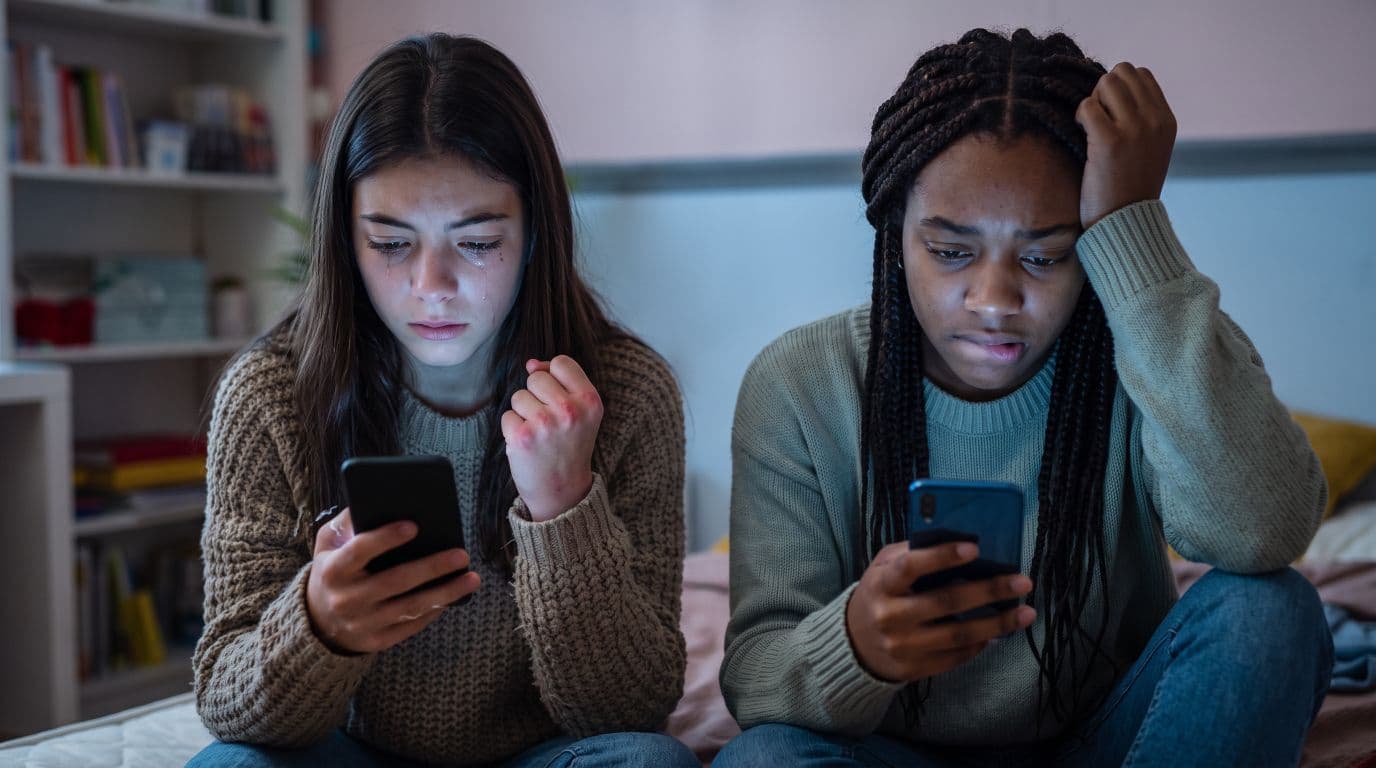
Social media are both a benefit and a risk for young people. They bring friends and like-minded people closer together and can be an important source of support and connection. But the same platforms can also lead to problematic use or addiction, less sleep and a feeling of pressure. The challenge is to find a healthy balance, which is not easy for many young people. Health insurance funds provide financial support when mental health care is needed.
According to a study by the World Health Organization (WHO), 36% of young people are in constant online contact with their friends. Social media can genuinely connect and support young people, but their use can sometimes become excessive. According to the same study, as many as 11% of young people show signs of problematic social media use. In 2018, this figure was only at 7%.
According to a recent study by the independent health insurance funds MLOZ, the mental vulnerability of young people is also increasing. Belgian youth are increasingly reporting sleep problems, depression, irritability, and loneliness. The use of antidepressants among 12- to 18-year-olds increased by 43.6% between 2019 and 2023.
Attributing this evolution entirely to social media would be too simplistic. School pressure, societal expectations, family circumstances, and other factors also play a role. Social media are one element in a broader puzzle, rather than the sole cause of all mental health problems among young people.
According to MLOZ, social media platforms that use recommendation algorithms, infinite scrolling, potentially harmful content, notifications and other techniques designed to keep users engaged for as long as possible can be particularly problematic.
For young people in particular, whose brains are still developing, it can be especially difficult to resist a constant stream of stimuli. Problematic social media use is also associated with poorer sleep and lower levels of mental and social well-being.
According to MLOZ, the solution is not to demonise social media. Removing young people from the digital world is neither realistic nor desirable. The organisation calls for measures that better align the digital environment with young people’s development and well-being. This requires media literacy, with an important role for parents, schools and healthcare professionals, as well as attractive offline alternatives.
MLOZ also believes that platforms themselves must take responsibility. Parents cannot be expected to fight alone against technologies that are specifically designed to hold users’ attention for as long as possible. Calls for regulation and measures such as minimum age requirements are becoming increasingly prominent on the political agenda in several countries.
Finally, young people need to learn how to use these digital tools in a healthy way, without placing the responsibility solely on their shoulders.
Young people experiencing psychological problems can consult a conventioned psychologist, including when social media play a role in their difficulties. The psychologist assesses whether the young person falls within the target group. Psychological sessions provided through the INAMI/RIZIV mental healthcare network are fully covered for children and young people up to and including the age of 23.
In addition to the reimbursement provided through the INAMI/RIZIV system, health insurance funds often offer additional benefits for psychological support. However, the conditions and amounts can vary considerably between mutualities.
Use our comparison tool to run a simulation and discover that the differences can be significant!

Expert in mutuality benefits and hospitalisation insurance, and founder of YouSave.be.
20 years of experience in comparison technology and financial products.